
Water, Sanitation and Hygiene
ARDF delivers integrated WASH services that protect health, restore dignity, and strengthen resilience for communities affected by conflict, displacement, disease outbreaks, flooding, and limited access to essential services.
Clean water and safe sanitation are lifesaving services.
Access to safe water, adequate sanitation, and proper hygiene remains a critical public health challenge in fragile and conflict-affected settings like South Sudan. Unsafe water, poor sanitation, and inadequate hygiene practices are major drivers of preventable disease and public health emergencies.
ARDF's WASH programming improves health outcomes and supports safer, more dignified living conditions by combining emergency response, infrastructure rehabilitation, hygiene behavior change, and community-led sustainability.
35K
People with improved access to clean and safe water
38.7K
People educated on hygiene practices
25K
People with improved sanitation
Core Focus Areas
ARDF's WASH interventions are designed to respond to urgent needs while strengthening systems and community ownership for long-term service continuity.
Access to Safe Water
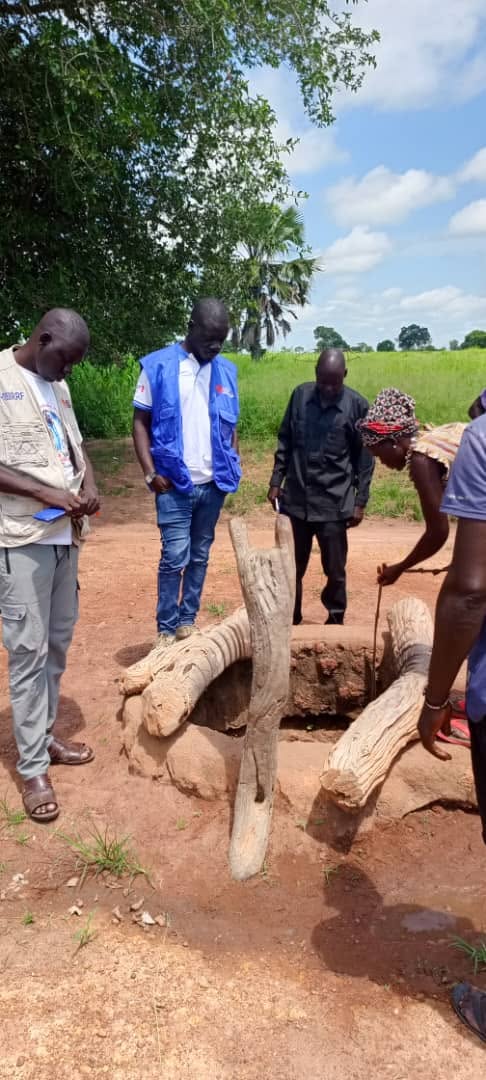
ARDF develops and rehabilitates water sources so crisis-affected communities can access reliable, clean, and safe water.
- Borehole rehabilitation and water system support
- Emergency water provision during crises
- Safe water handling and household-level protection
Sanitation Services
ARDF promotes safer sanitation facilities and practices that reduce open defecation, environmental contamination, and disease transmission.
- Improved sanitation infrastructure
- Support for public and household sanitation
- Sanitation in settlements, schools, and health facilities
Hygiene Promotion
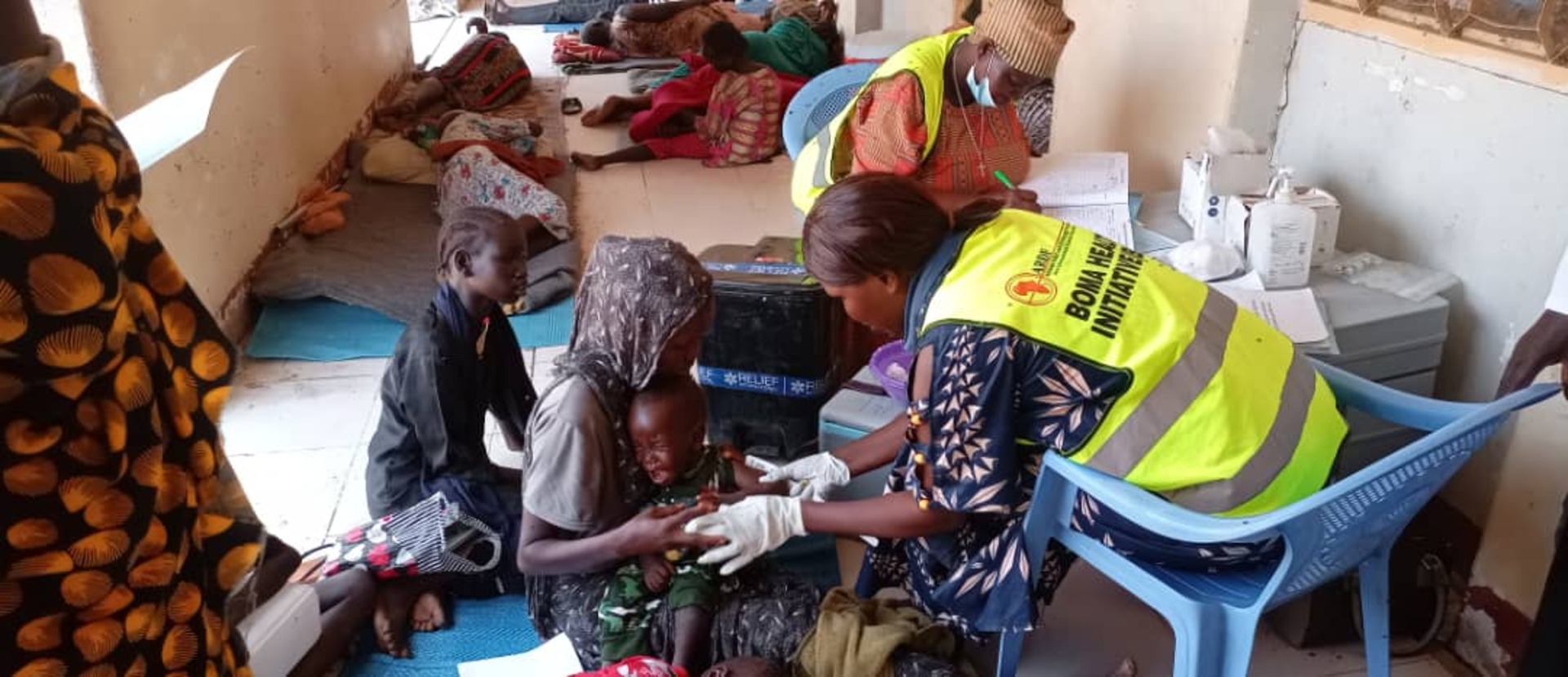
Community-based behavior change initiatives help families prevent disease through safer hygiene and water practices.
- Handwashing promotion
- Safe water storage and treatment messaging
- Disease prevention during outbreaks and displacement
Where We Work
ARDF implements WASH activities across humanitarian and development settings, adapting services to the risks, needs, and capacities of each community.
Rural Communities
Support for underserved communities with limited access to reliable water and sanitation services.
IDP and Returnee Settlements
Emergency and recovery WASH support for displaced families and host communities.
Schools
WASH support that improves learning environments, dignity, and hygiene for children.
Health Facilities
Water, sanitation, and hygiene services that support infection prevention and control.
Humanitarian-Development Approach
ARDF works across the humanitarian-development nexus, ensuring continuity from emergency response to infrastructure recovery and long-term service delivery. This includes response during disease outbreaks and crises, rehabilitation of damaged systems, and sustained programming that strengthens community resilience.
Community Engagement and Sustainability
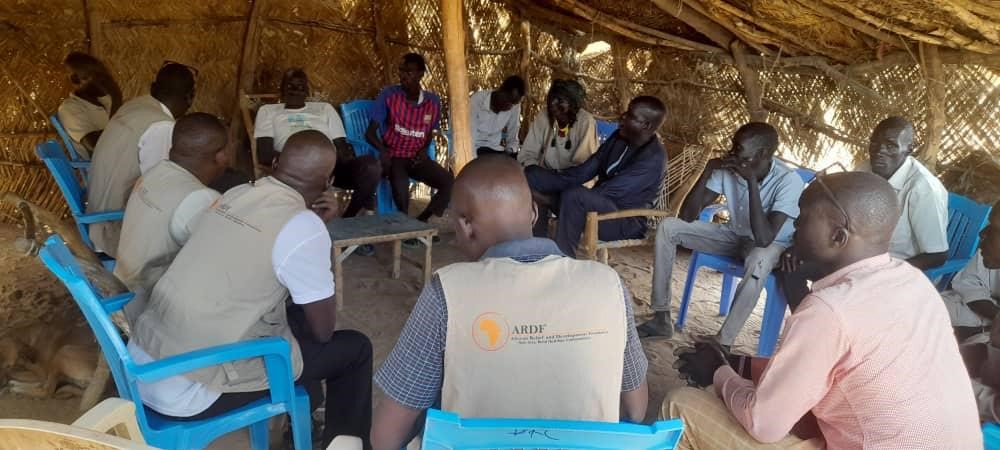
Community participation is central to ARDF's WASH approach. We work with local communities, authorities, and partners to design appropriate solutions, strengthen ownership, promote behavior change, and build local capacity so services are maintained and used over the long term.
Frontline Public Health Response
ARDF contributes to disease prevention, improved public health outcomes, and enhanced resilience by responding to public health threats including cholera, Hepatitis E, Ebola risks, flooding, drought, conflict-related displacement, and complex humanitarian emergencies.