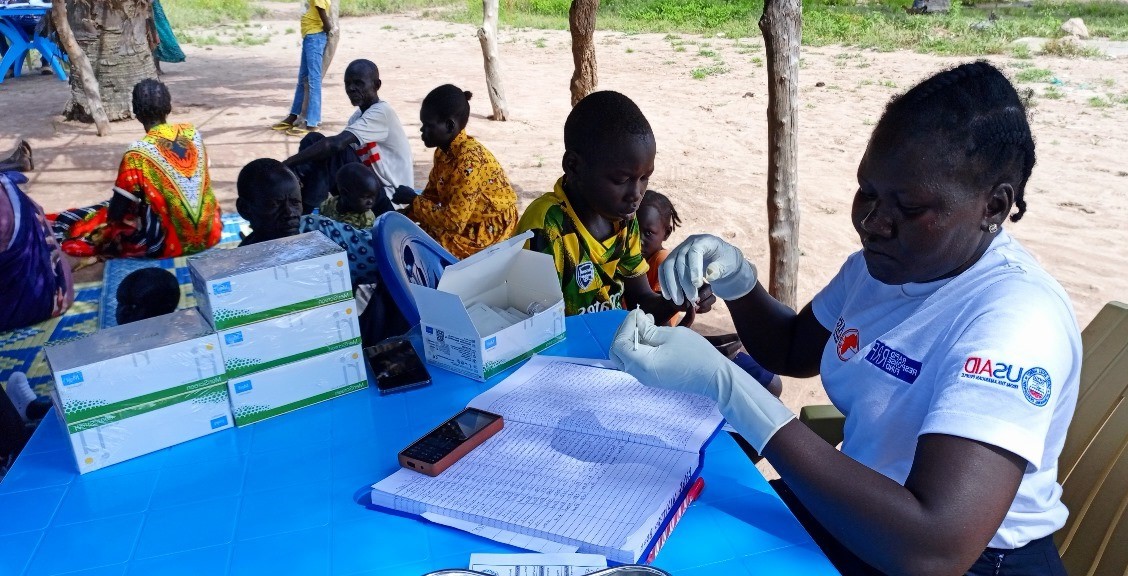
When Disaster Strikes, Every Second Matters
We deliver rapid, lifesaving assistance to communities affected by conflict, climate disasters, and crises—ensuring no one is left behind in their darkest hour.
Emergency Response & Recovery is the immediate and coordinated action taken to save lives and meet urgent needs during crises. From the first hours of a disaster to long-term recovery, we stand with affected communities every step of the way.
Why Emergency Response Matters
Saving Lives Today. Securing Tomorrow.
The need for emergency response has never been greater. Extreme weather events are increasing in frequency and intensity, while conflicts continue to escalate—placing millions of people at risk. Emergency response is critical because it saves lives, restores dignity, and provides a pathway to recovery.
Despite growing risks, global progress shows that effective humanitarian action works. According to the World Meteorological Organization, deaths from natural disasters have declined significantly—not because disasters are less severe, but because response systems are faster, stronger, and better coordinated.
1. Immediate Response & Lifesaving Relief
- • Food assistance and therapeutic nutrition
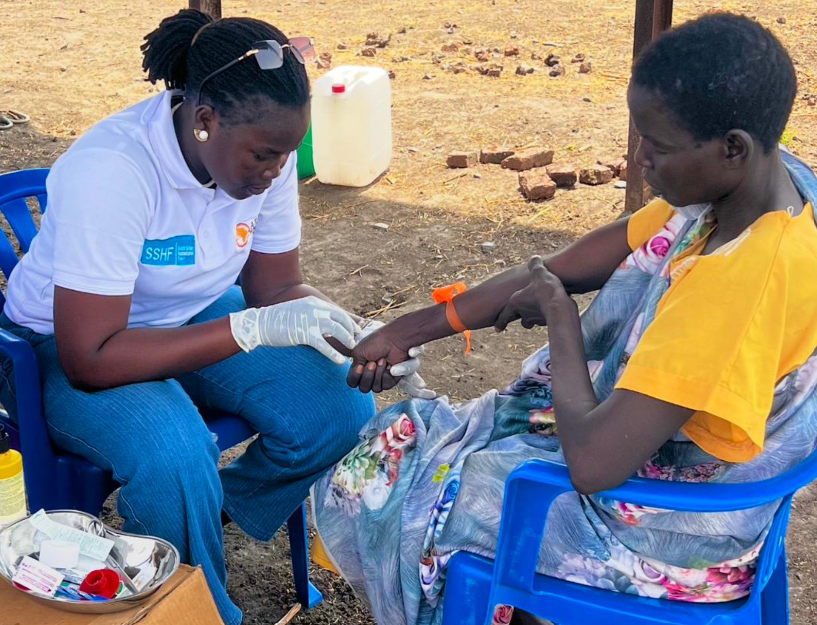
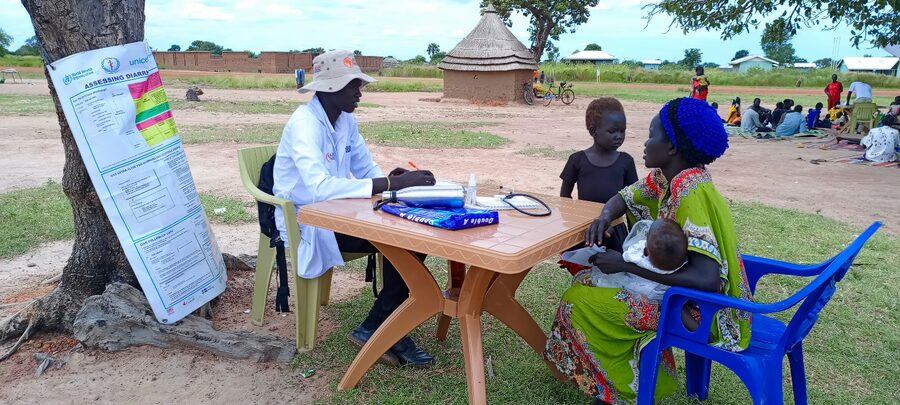
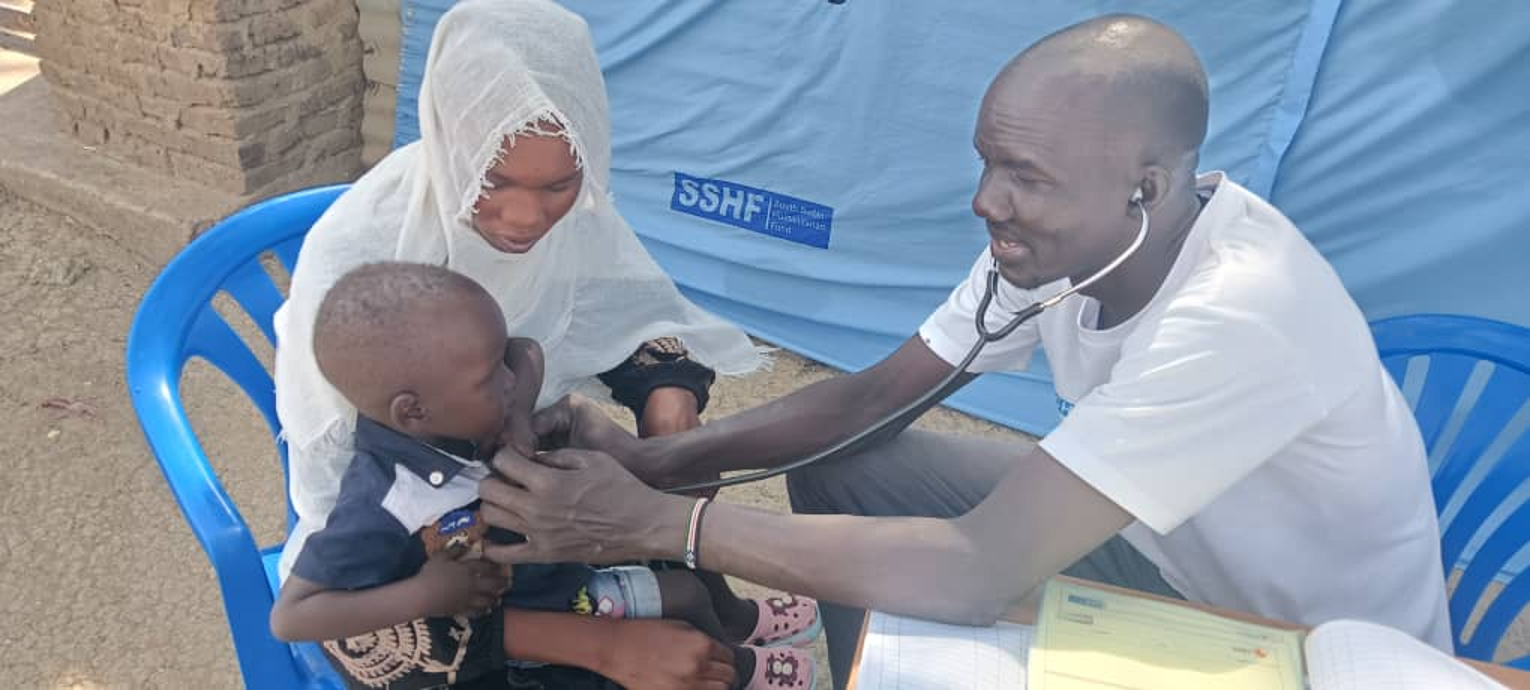
- • Rapid medical care and mobile health services
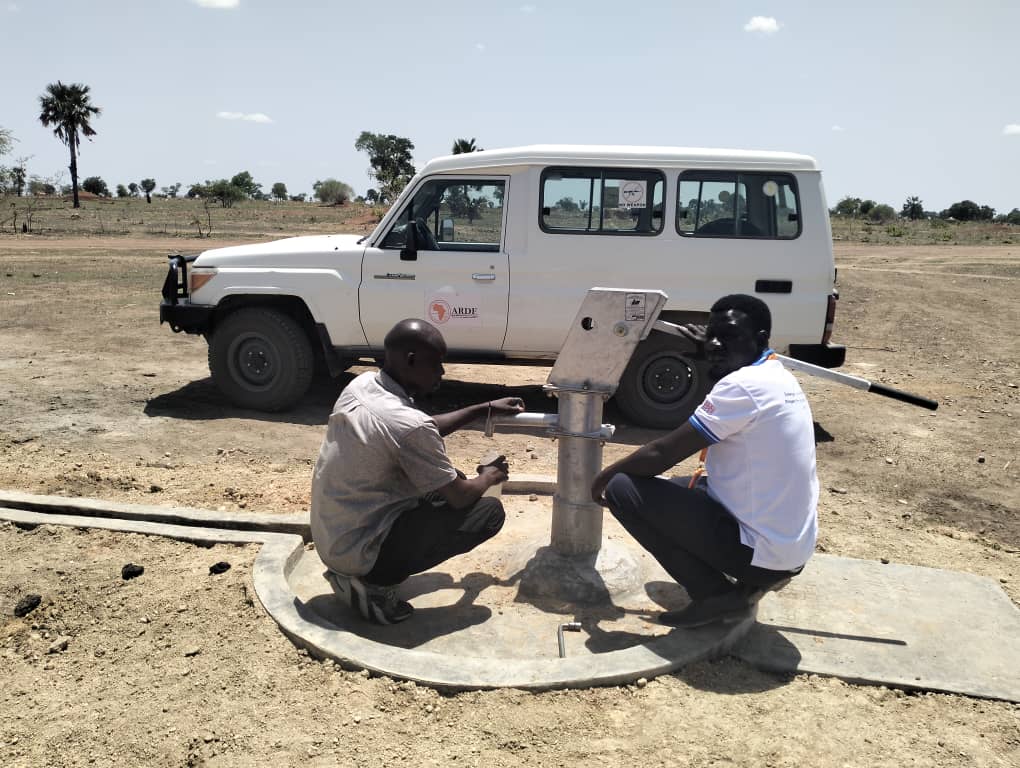
- • Clean water and sanitation services
- • Emergency shelter and essential household items
- • Cash assistance for urgent needs
We act fast to save lives when every second counts. With experienced teams, pre-positioned supplies, and strong local partnerships, we deliver critical assistance immediately after disaster strikes.
We are often among the first responders, ensuring that affected communities receive support when they need it most.
2. Recovery & Rehabilitation
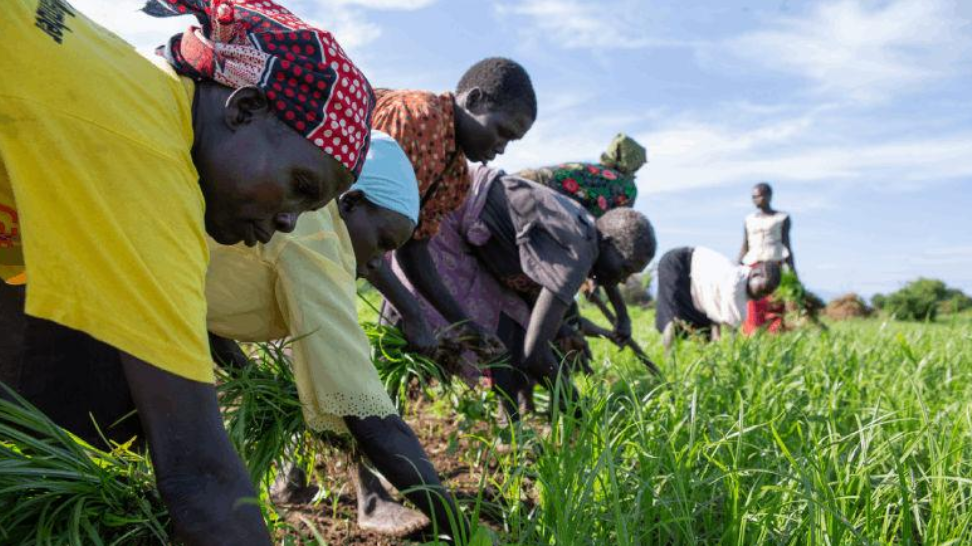
- • Supporting farmers to replant crops
- • Restoring access to clean water and healthcare
- • Rehabilitating livelihoods and local economies
This ensures that recovery continues long after the initial crisis response ends.
3. Disaster Risk Reduction & Preparedness
- • Early warning systems to monitor risks and trigger timely action
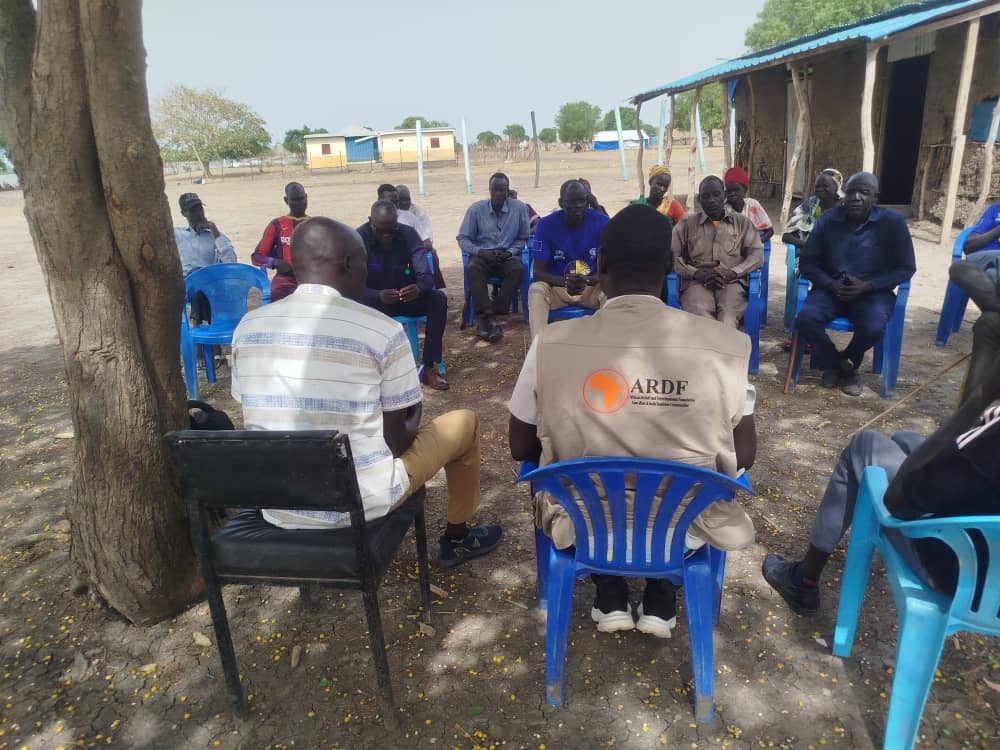
- • Emergency preparedness training for local responders
- • Evacuation planning and supply stockpiling
- • Climate adaptation initiatives to protect food and water systems
By investing in anticipatory action, communities can act before disasters fully unfold—reducing damage, protecting livelihoods, and saving more lives.
Our Impact
- • Thousands of families reached with emergency aid
- • Life-saving food and medical support delivered
- • Safe water provided in crisis-affected areas
- • Communities supported to recover and rebuild
Emergency Response & Recovery
South Sudan: A Nation Facing a Perfect Storm of Crises
South Sudan is facing a catastrophic and complex humanitarian crisis driven by persistent conflict, extreme flooding, and widespread food insecurity. These overlapping shocks have created a perfect storm, leaving millions without access to basic services and lifesaving support.
- • Over 7.5 million people are facing acute hunger
- • More than 2 million people are internally displaced
- • Ongoing violence, climate shocks, and disease outbreaks continue to escalate needs
Without urgent intervention, vulnerable communities remain at extreme risk of hunger, disease, and displacement.
Key Disaster Issues in South Sudan
1. Severe Flooding & Climate Change
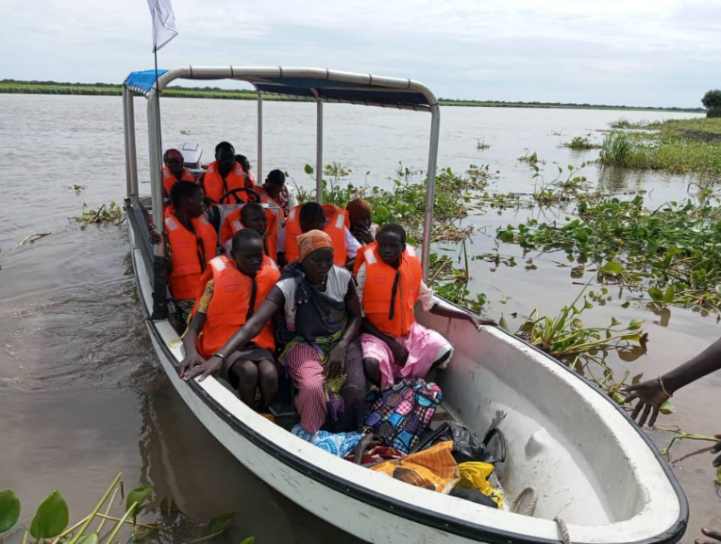
Recurring, climate-driven flooding—especially in Jonglei, Unity, and Upper Nile—displaces hundreds of thousands of people each year. Homes, schools, and health facilities are submerged, cutting off access to essential services.
2. Conflict & Insecurity
Despite ceasefire efforts, violence continues through intercommunal clashes and armed conflict. This restricts humanitarian access, forces families to flee, and contributes to high levels of insecurity and loss of life.
3. Humanitarian & Food Crisis
Over 7.5 million people face severe food insecurity, with 28,000 at risk of famine conditions. The situation is worsened by the arrival of over 1.2 million refugees and returnees fleeing conflict in neighboring Sudan.
4. Health Emergencies
Damage to health infrastructure and lack of clean water have triggered disease outbreaks, including cholera. As of April 2026, thousands of cases and high fatality rates have been reported in affected regions.
5. Displacement & Protection Risks
Millions of people are displaced and living in overcrowded camps with poor sanitation. Protection risks are high, including gender-based violence, child protection concerns, and forced recruitment.
South Sudan faces a catastrophic, interlocking humanitarian crisis driven by persistent conflict, extreme flooding, and severe food insecurity. Over 7.5 million people face acute hunger, with widespread displacement affecting over 2 million internally. Ongoing violence, climate shocks, and disease outbreaks like cholera create a "perfect storm," severely restricting access to basic needs and aid.
Why Immediate Action Is Critical
South Sudan’s crisis is not driven by a single factor—it is the result of interconnected shocks that reinforce each other. Flooding destroys livelihoods, conflict prevents recovery, and hunger weakens resilience, leaving communities trapped in a cycle of vulnerability.
ARDF Emergency Response Strategies
- • Search and Rescue: locating and rescuing survivors after conflict or floods
- • Emergency Food Assistance: food kits, hot meals, ready-to-use-therapeutic food (RUTF) for malnourished children
- • Clean Water and Sanitation (WASH): trucking in water, repairing wells, distributing water purification tablets, and building latrines
- • Emergency Shelter: tents, tarps, blankets, or temporary housing
- • Emergency Health & Nutrition Services: mobile clinics, trauma care, vaccination, nutrition screening, treatment for severe acute malnutrition
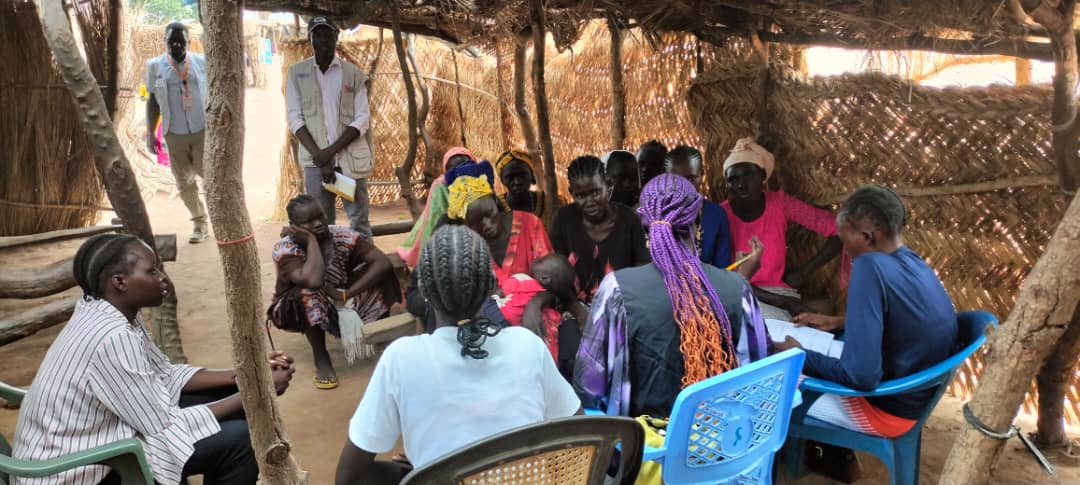
- • Cash & Voucher Assistance: direct cash transfers so families can buy what they need locally, supporting both dignity and local markets
- • Protection and Psychosocial Support: child-friendly spaces, preventing gender-based violence, trauma counseling