
Who We Are
The African Relief and Development Foundation (ARDF) is a leading national humanitarian and development organization dedicated to saving lives, building resilience, and alleviating poverty and human suffering among communities affected by conflict, displacement, and natural disasters across South Sudan and Sudan.
We support people facing some of the toughest challenges in the world.
ARDF delivers inclusive development programs, humanitarian assistance, and peacebuilding initiatives in fragile and crisis-affected settings. From armed conflict to climate shocks and economic crises, our work combines immediate life-saving interventions with long-term strategies that strengthen community resilience and promote sustainable development.
We place strong emphasis on empowering women and girls, recognizing that they are often disproportionately affected by crises yet hold the potential to drive meaningful and lasting change. By listening to their voices and supporting their leadership, we help create locally driven solutions with lasting impact.
At ARDF, we begin where the need is greatest and remain committed until real, lasting change is achieved.
Our Beginnings
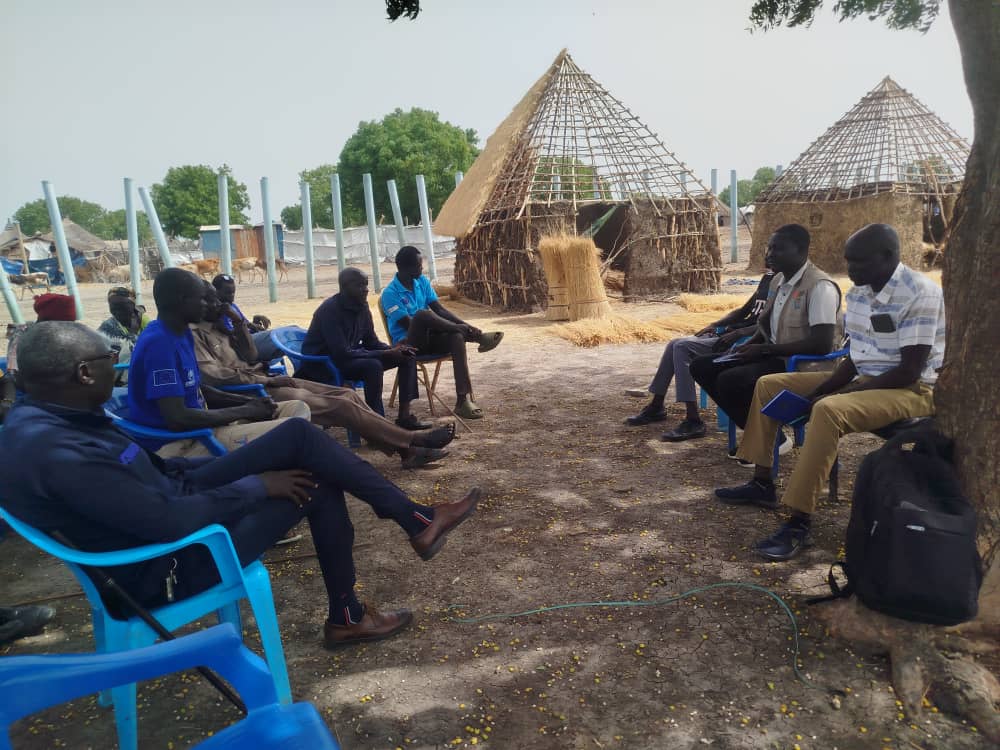
ARDF was founded in 2017 as a non-profit, non-governmental organization in the Republic of South Sudan under the South Sudan NGO Act of 2016, with Registration No. 834. It was established to provide humanitarian and development services to vulnerable communities affected by conflict, displacement, and natural disasters.
Locally Led Response
ARDF was created in response to the growing need for strong national humanitarian organizations capable of reaching crisis-affected and underserved populations. The organization later expanded operations into Sudan following the onset of the Sudan crisis in 2022.
Our Approach
ARDF combines community leadership, evidence, innovation, integrated programming, and patient-centered service delivery to ensure every intervention is practical, accountable, inclusive, and responsive to the realities of crisis-affected communities.
Women and Girls Centered Approach
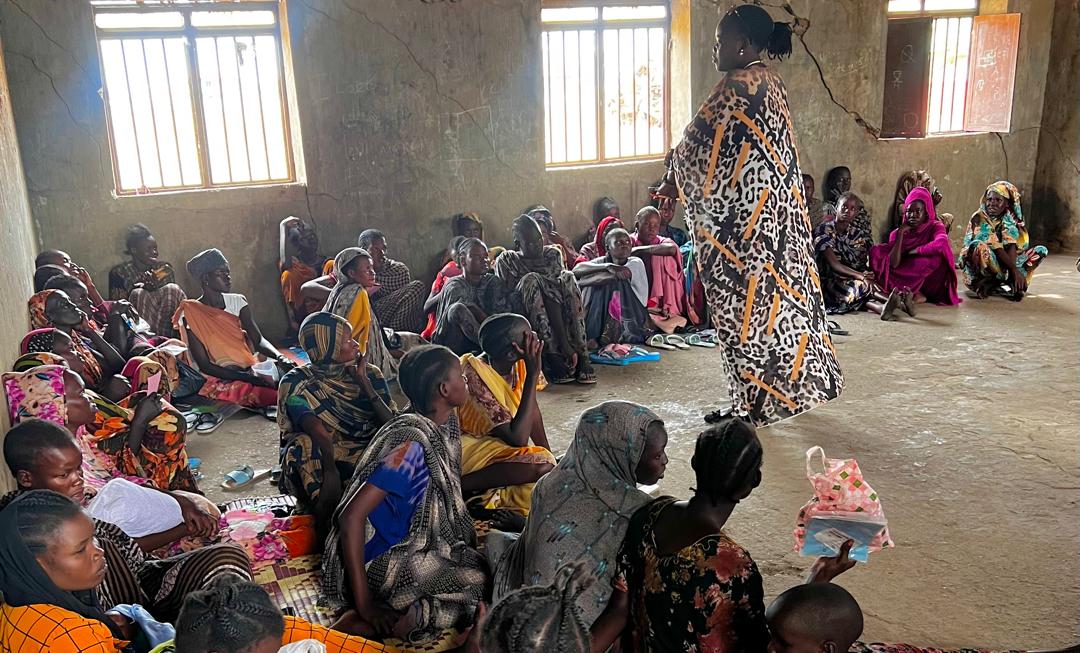
ARDF places women and girls at the center of response, recovery, and development through a rights-based model focused on dignity, protection, leadership, and resilience.
- Protection and safety first
- Economic empowerment and basic services
- Women-led leadership and accountability
Innovative and Evidence-Based Approach
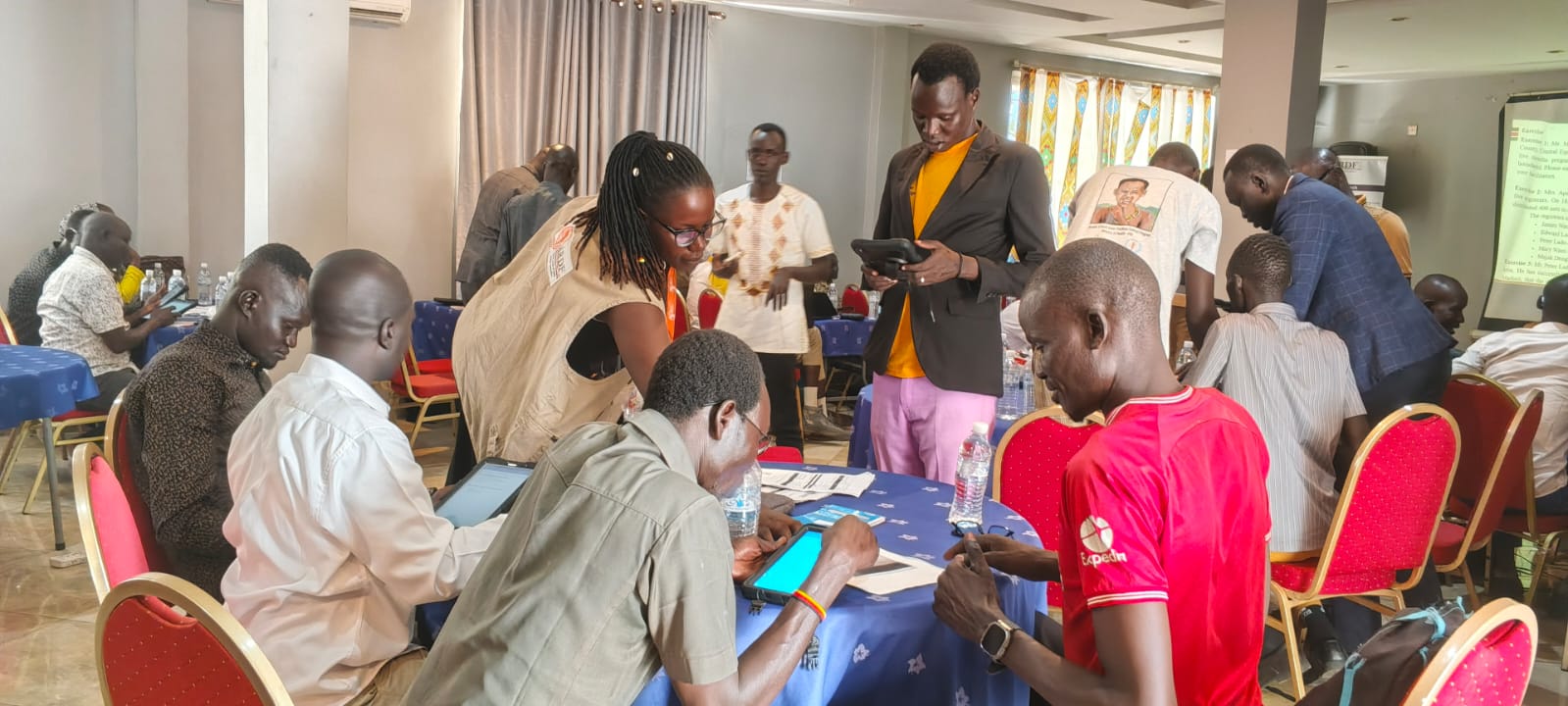
ARDF uses data, research, adaptive learning, and innovation to design scalable interventions that improve reach, efficiency, accountability, and long-term impact.
- Evidence-driven programming
- Adaptive learning and feedback loops
- Digital tools, CVA, and value for money
Participatory Community-Based Approach
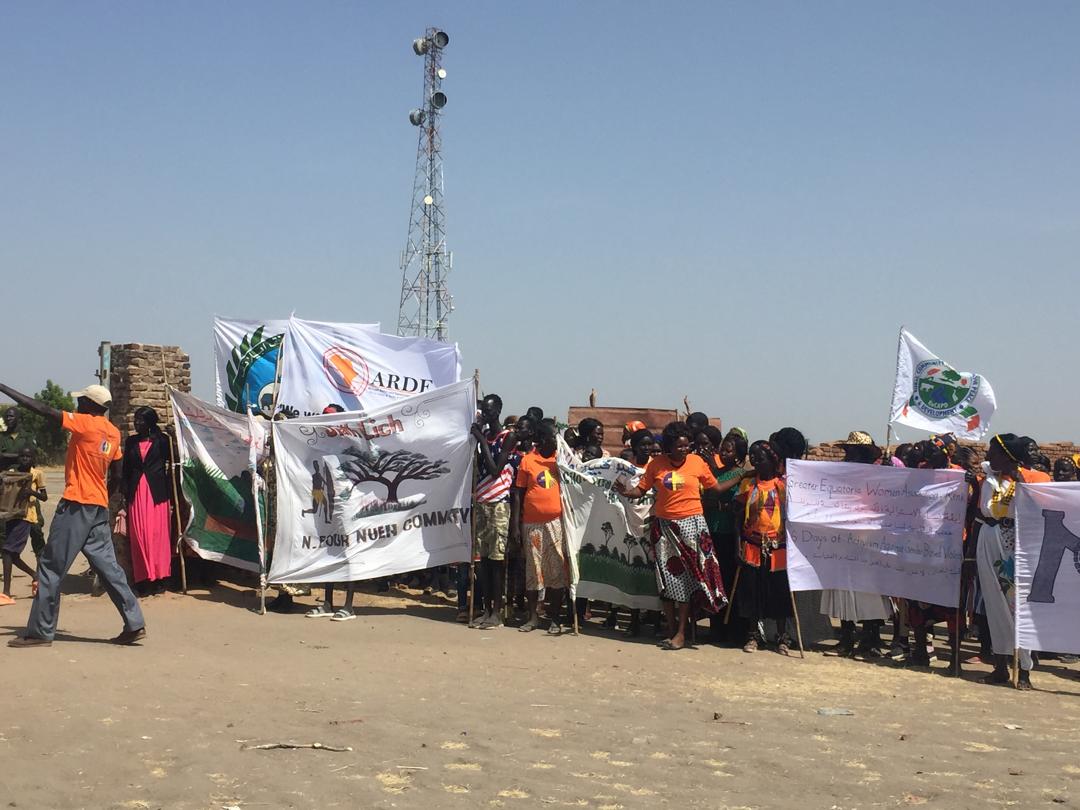
ARDF positions affected populations as stakeholders and agents of change, ensuring communities shape needs assessment, design, implementation, monitoring, and evaluation.
- Inclusive community engagement
- Local ownership and social cohesion
- Accountability to affected populations
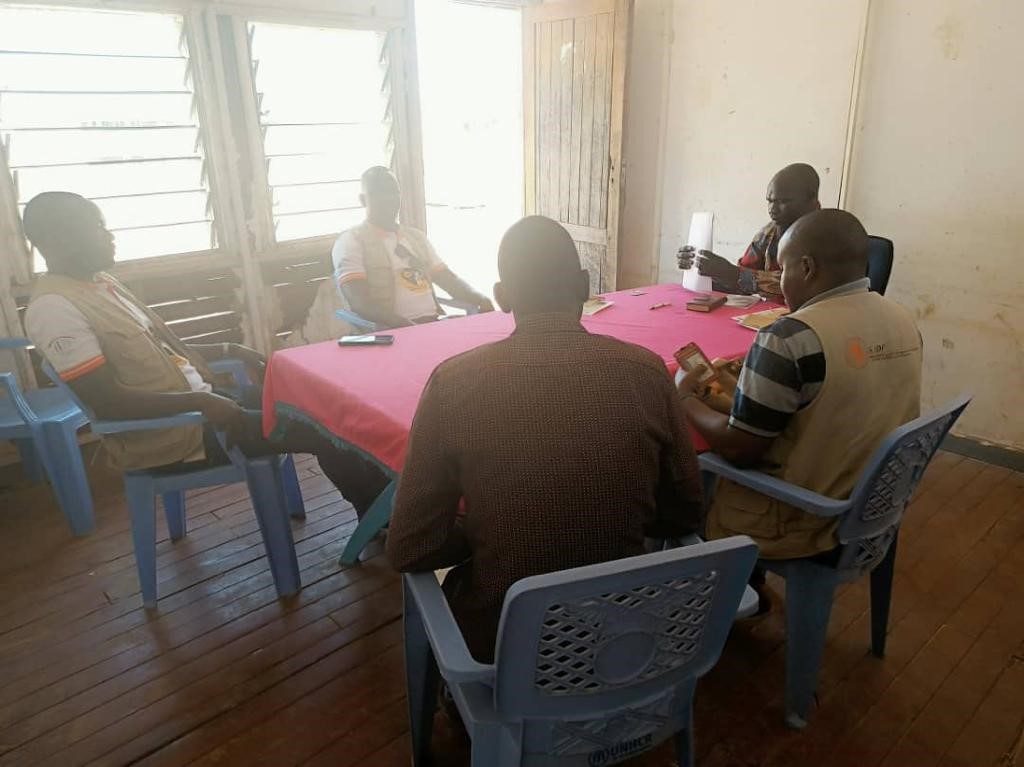
Integrated Approach
ARDF uses a multi-sectoral approach that addresses the interconnected drivers of vulnerability while linking life-saving assistance with recovery and peacebuilding.
- Humanitarian-Development-Peace nexus
- Health, nutrition, livelihoods, protection, and WASH
- Stronger local systems and institutions
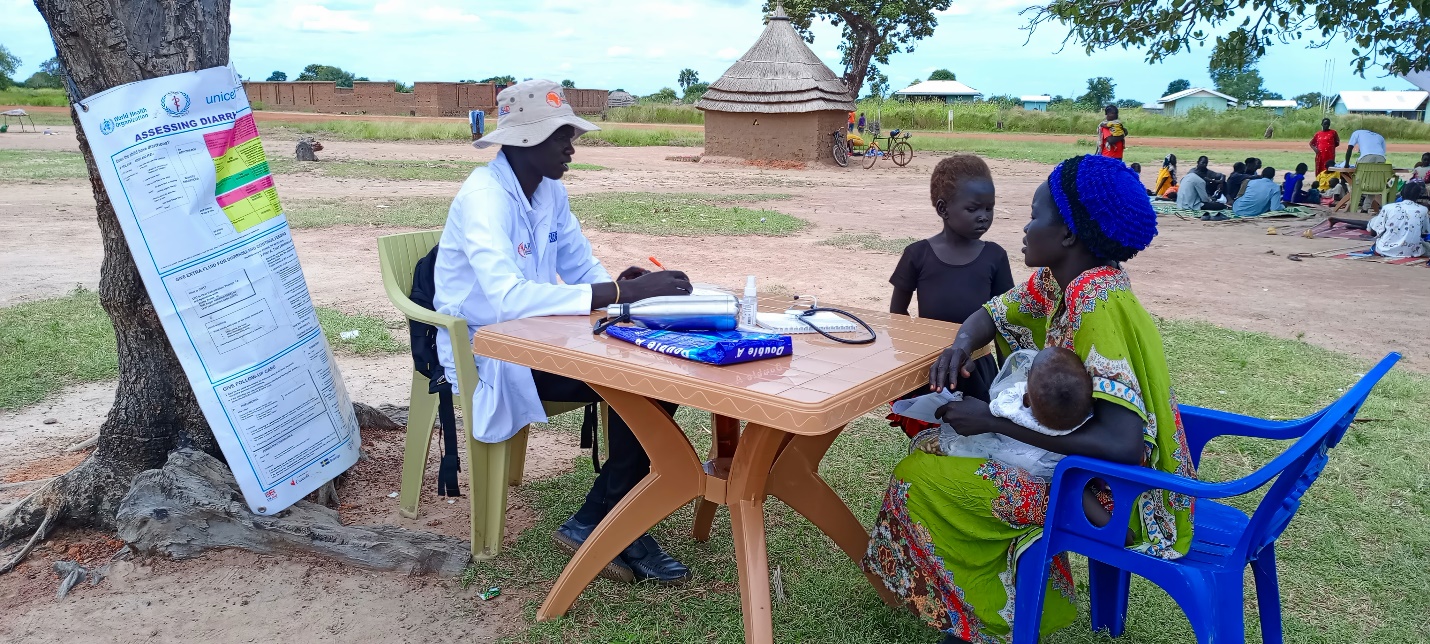
Patient-Centered Approach
ARDF prioritizes the needs, preferences, dignity, and rights of patients, especially people affected by communicable diseases such as TB and HIV.
- Equitable and quality care
- Counseling, transport, and nutrition support
- Confidentiality and non-discrimination
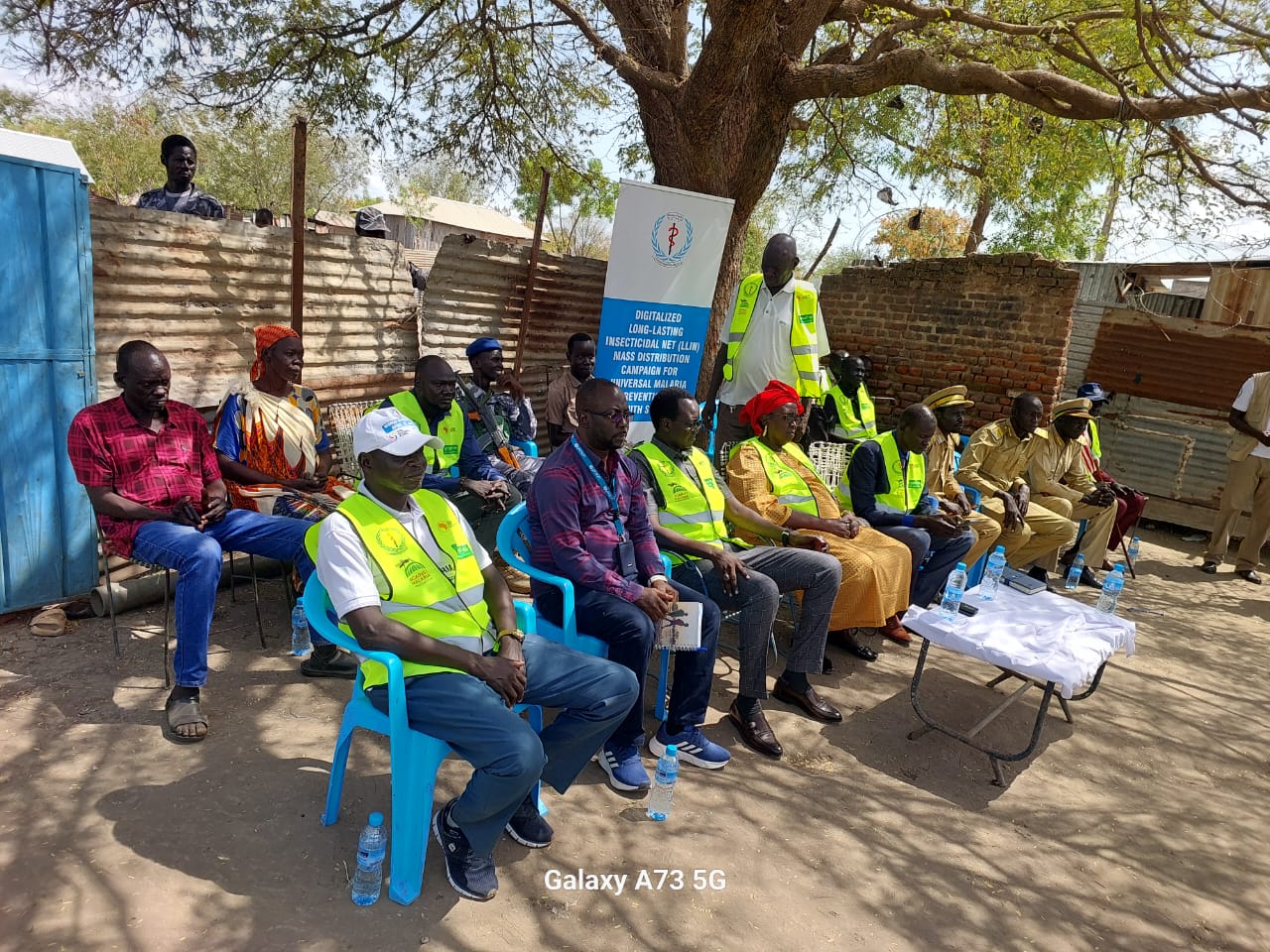
Accountable Partnership
ARDF works with communities, authorities, donors, and peer organizations to ensure programming is transparent, coordinated, responsive, and grounded in trust.
- Transparent coordination
- Community feedback and learning
- Responsible resource stewardship