
Emergency Response & Recovery
South Sudan is facing a catastrophic and complex humanitarian crisis driven by persistent conflict, extreme flooding, disease outbreaks, displacement, and widespread food insecurity. ARDF responds rapidly to save lives, protect dignity, and help communities recover from overlapping shocks.
South Sudan: A nation facing a perfect storm of crises
Millions of people remain without reliable access to basic services and lifesaving support. Flooding destroys livelihoods, conflict prevents recovery, and hunger weakens resilience, trapping vulnerable communities in a cycle of displacement, disease, and poverty.
ARDF emergency response is coordinated, rapid action taken to meet urgent needs after conflict, climate events, disease outbreaks, and other crises. Our work combines immediate relief with recovery support so affected families can stabilize and rebuild.
Learn more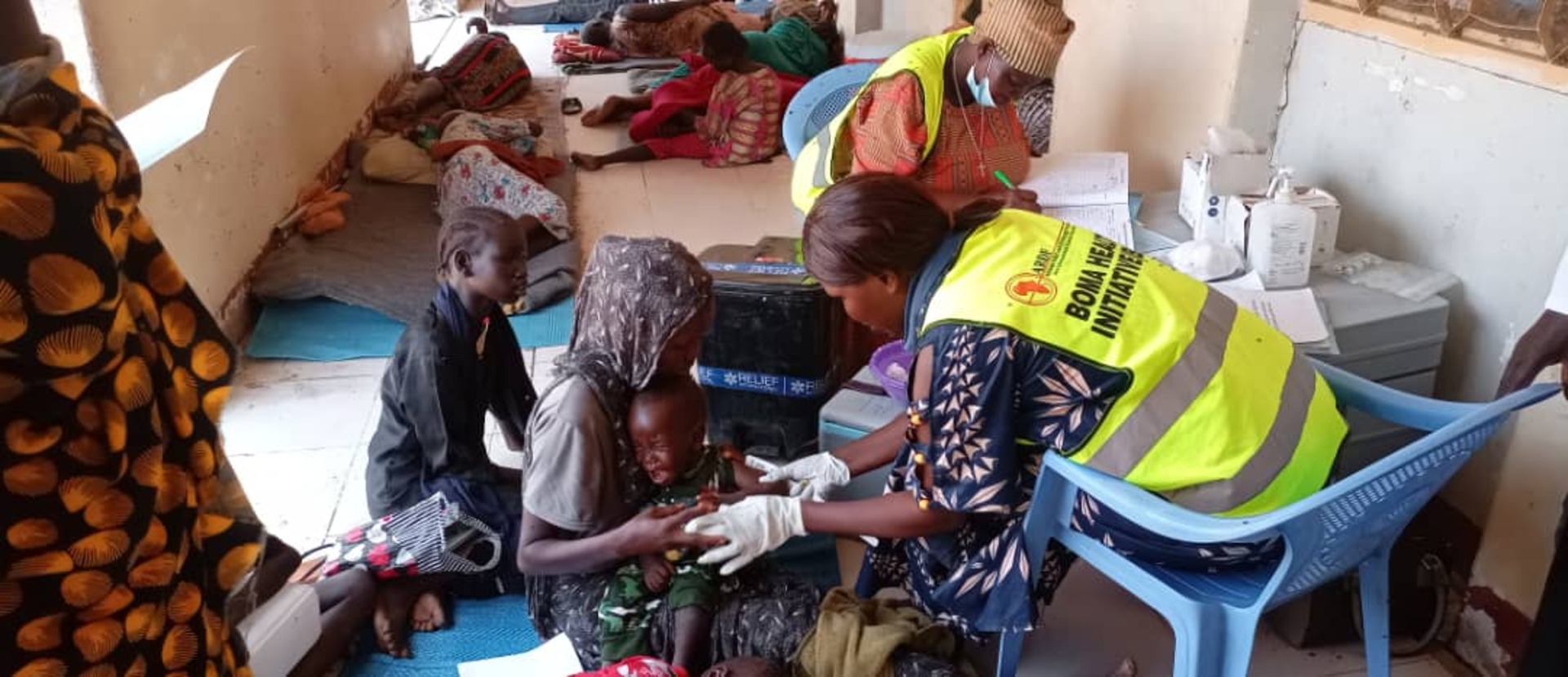
7.5M+
People facing acute hunger
2M+
People internally displaced
1.2M+
Refugees and returnees fleeing conflict in Sudan
28,000
People at risk of famine conditions
Key Disaster Issues
South Sudan's humanitarian crisis is not caused by a single shock. It is the result of interconnected emergencies that intensify each other and leave communities with limited space to recover.
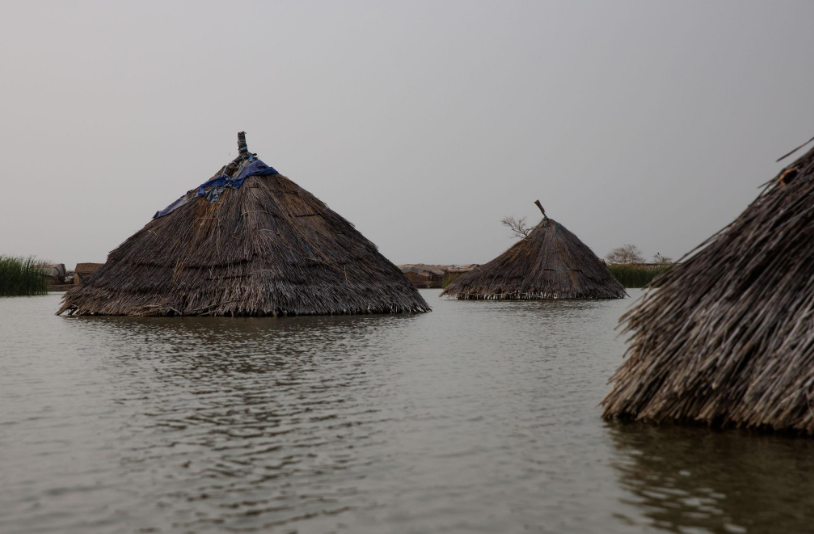
Severe Flooding & Climate Change
Recurring climate-driven flooding, especially in Jonglei, Unity, and Upper Nile, displaces hundreds of thousands of people each year.
- Homes, schools, and health facilities submerged
- Access to essential services cut off
- Livelihoods repeatedly destroyed
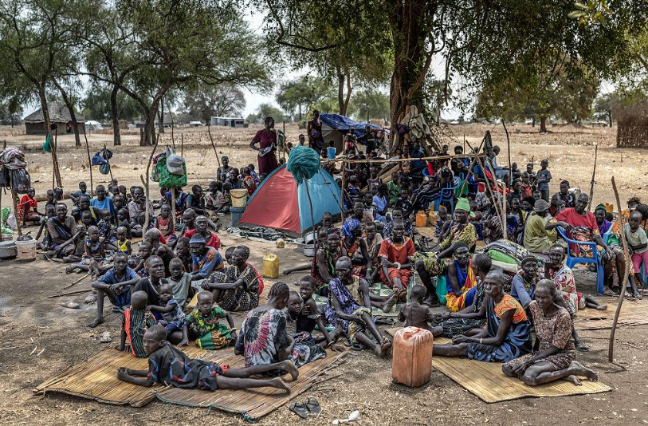
Conflict & Insecurity
Despite ceasefire efforts, violence continues through intercommunal clashes and armed conflict, forcing families to flee.
- Restricted humanitarian access
- Heightened insecurity and loss of life
- Interrupted recovery and service delivery
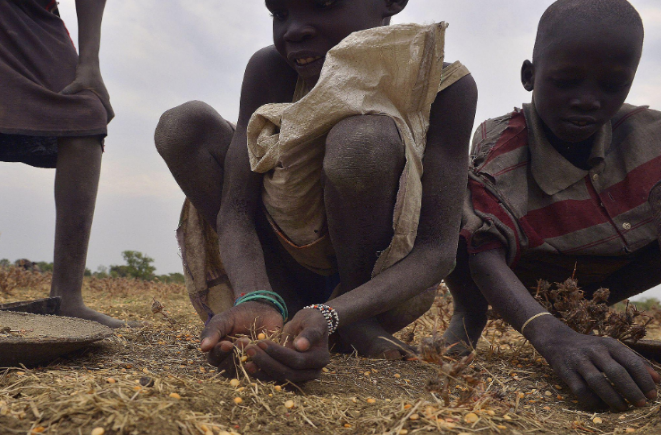
Humanitarian & Food Crisis
Millions face severe food insecurity, worsened by displacement, disrupted livelihoods, and arrivals from the conflict in neighboring Sudan.
- Over 7.5 million people face acute hunger
- 28,000 people are at risk of famine conditions
- Families need urgent food and nutrition support
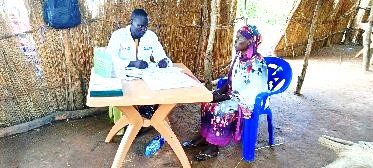
Health Emergencies
Damaged health infrastructure and lack of clean water have triggered disease outbreaks, including cholera, in affected regions.
- Outbreak response and surveillance needs
- Limited access to clean water and healthcare
- High risk for vulnerable displaced families
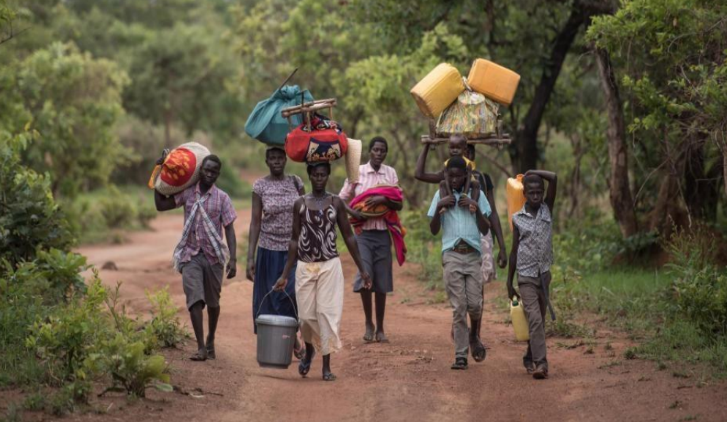
Displacement & Protection Risks
Millions of displaced people live in overcrowded camps with poor sanitation and high protection risks.
- Gender-based violence risks
- Child protection concerns
- Forced recruitment and psychosocial distress
ARDF Emergency Response Strategies
ARDF delivers a practical package of lifesaving emergency response activities designed to stabilize affected families quickly while supporting dignity, protection, and early recovery.
Search and Rescue
Locating and rescuing survivors after conflict, flooding, or other life-threatening events.
Emergency Food Assistance
Food kits, hot meals, and ready-to-use therapeutic food for malnourished children.
Clean Water & Sanitation
Water trucking, well repairs, purification tablets, emergency latrines, and hygiene support.
Emergency Shelter
Tents, tarps, blankets, and temporary housing support for displaced families.
Health & Nutrition Services
Mobile clinics, trauma care, vaccination, nutrition screening, and treatment of acute malnutrition.
Cash & Voucher Assistance
Direct support that helps families buy what they need locally while supporting dignity and markets.
Protection Support
Child-friendly spaces, GBV prevention, trauma counseling, and safe referral pathways.
Recovery & Resilience
Helping families move from immediate relief toward restored services, safer communities, and recovery.
Why Immediate Action Is Critical
South Sudan's crisis is the result of interconnected shocks that reinforce each other. Flooding destroys livelihoods, conflict prevents recovery, hunger weakens resilience, and disease outbreaks place already vulnerable families at even greater risk. Rapid, coordinated response is essential to save lives and prevent deeper humanitarian deterioration.