
Health · Malaria prevention
Crossing Rivers to Close the Malaria Gap
How ARDF teams carried 985,354 mosquito nets to communities that roads do not reach — through Upper Nile and Greater Pibor, on foot, by donkey, and chest-deep in water.
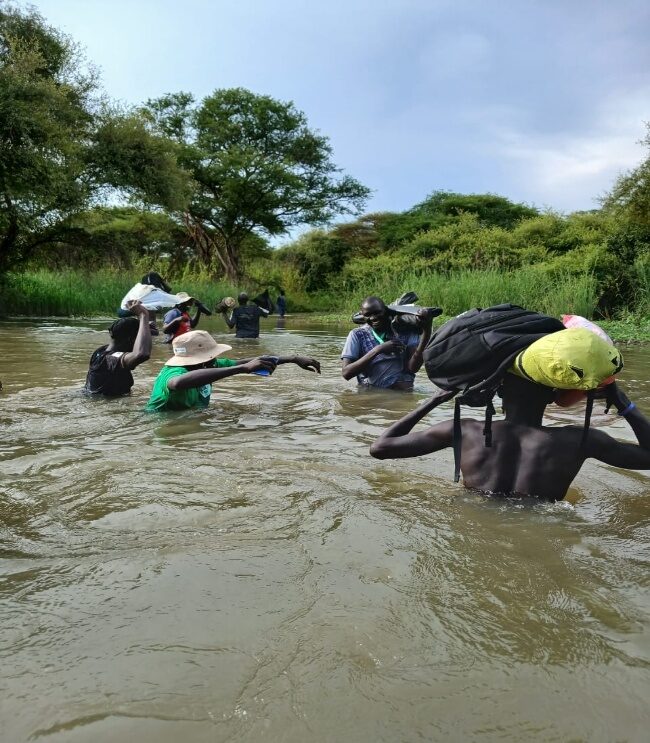
There is a point on the way to Uddier Payam where the road stops being a road. What is left is water — a stream deep enough to reach a person's chest, wide enough that the far bank takes a while to arrive. On the other side are families who have been counted, registered and promised a mosquito net. The nets are on this side.
ARDF distribution teams did what the situation required. They lifted the supplies onto their heads and shoulders, stepped into the water, and walked across.
A commitment to the hardest places to reach
With funding from the Against Malaria Foundation (AMF) through UNICEF, the African Relief and Development Foundation is distributing long-lasting insecticidal nets (LLINs) across Upper Nile State and the Greater Pibor area. The campaign targets 1,354,103 nets. As of this report, 985,354 had been handed to households — 72% of the target.
The figures describe the scale. They do not describe the effort. A net delivered to a village beside a main road and a net delivered to Uddier Payam count the same in the total, and cost entirely different things to deliver.
When roads end, determination takes over
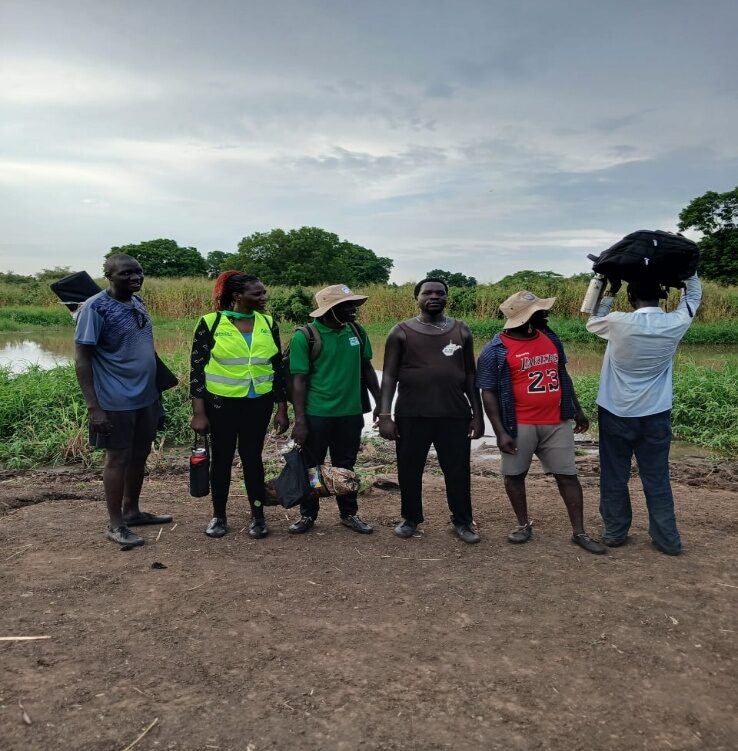
In Longechuk County, and in Uddier Payam in particular, teams met terrain that no vehicle can answer for: river crossings, standing water, and stretches where the only way forward is on foot. Staff walked through deep water carrying essential supplies and equipment above their heads — the practical reality of last-mile delivery in a place the rainy season redraws every year.
Turning back was an option. It was not taken. Access barriers were treated as a logistics problem to be solved rather than a reason a community should go without.
Adapting to the context to keep services moving
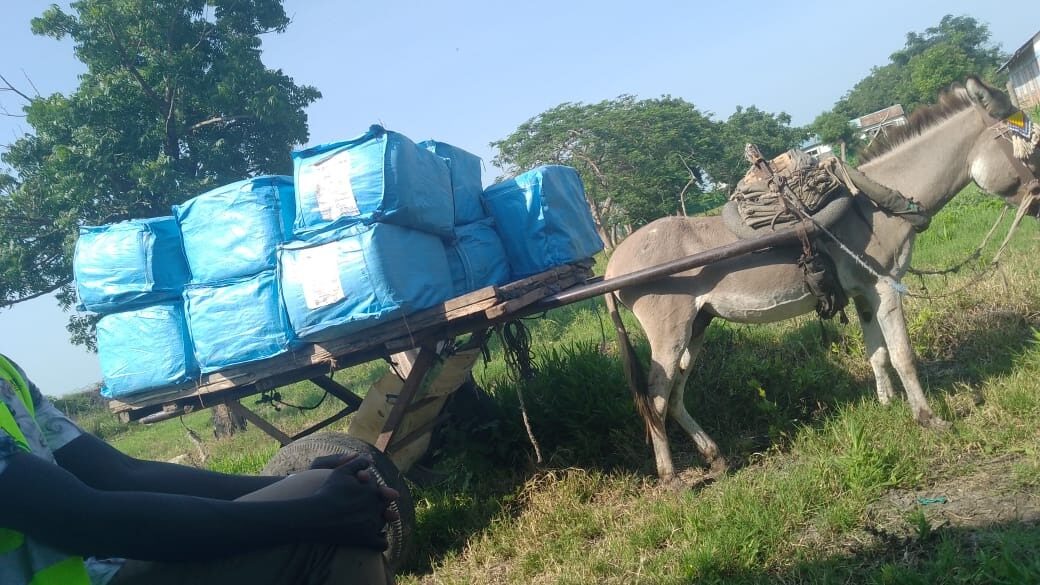
The experience in Longechuk shows why flexible, locally appropriate logistics matter in humanitarian and public health programming. Where conventional transport runs out, the teams use what the place itself offers. In Fashoda that has meant donkeys, moving bales of nets along tracks a truck could never take. In Uddier it has meant crossing streams on foot.
In Ulang, the water is too deep to wade and too wide to walk around, so the last stretch is made by dugout canoe. Bales are carried to a landing point at the edge of a flooded maize field, loaded into the canoes a few at a time, and paddled out to the villages along channels that were footpaths before the rains.
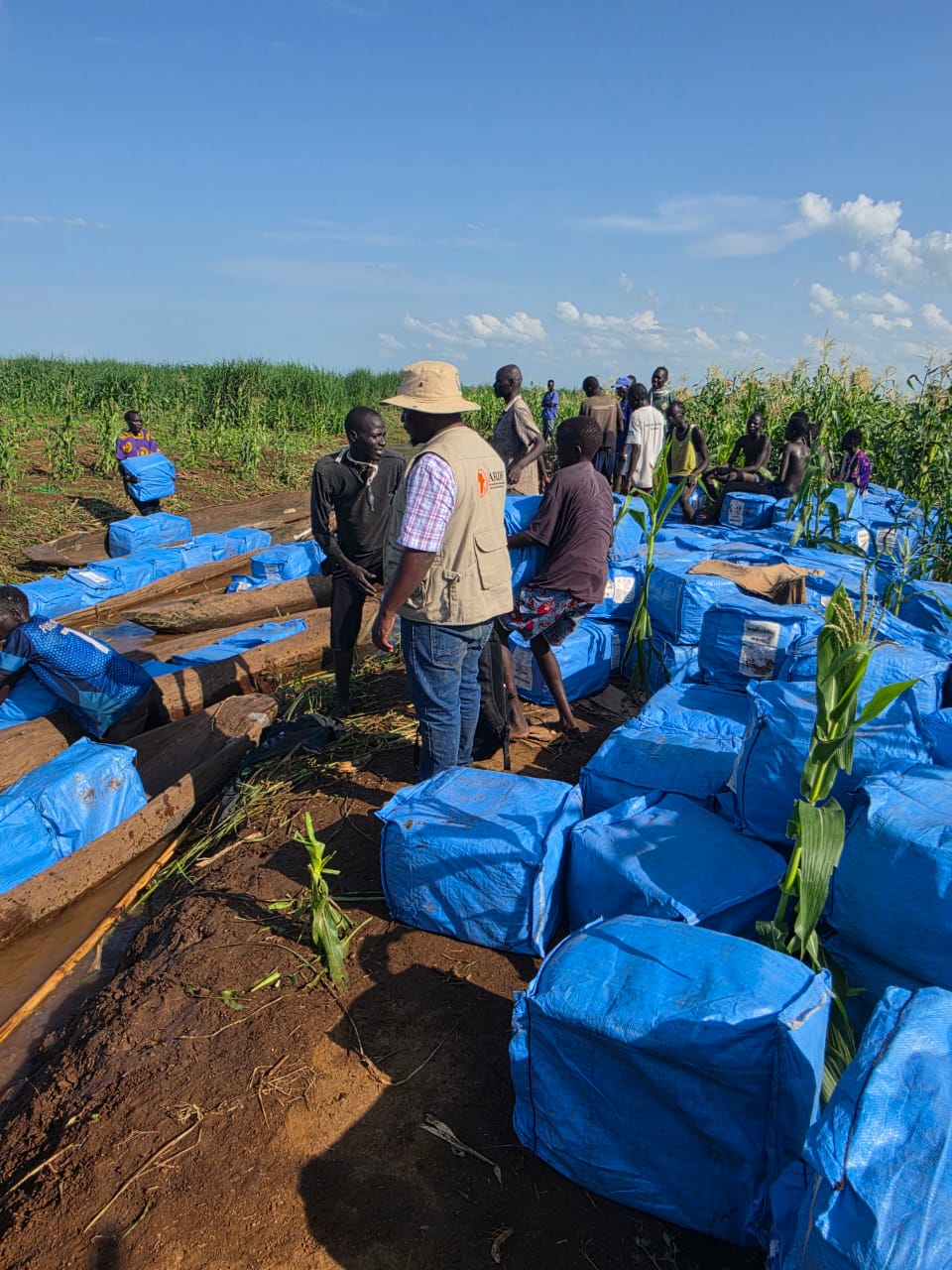
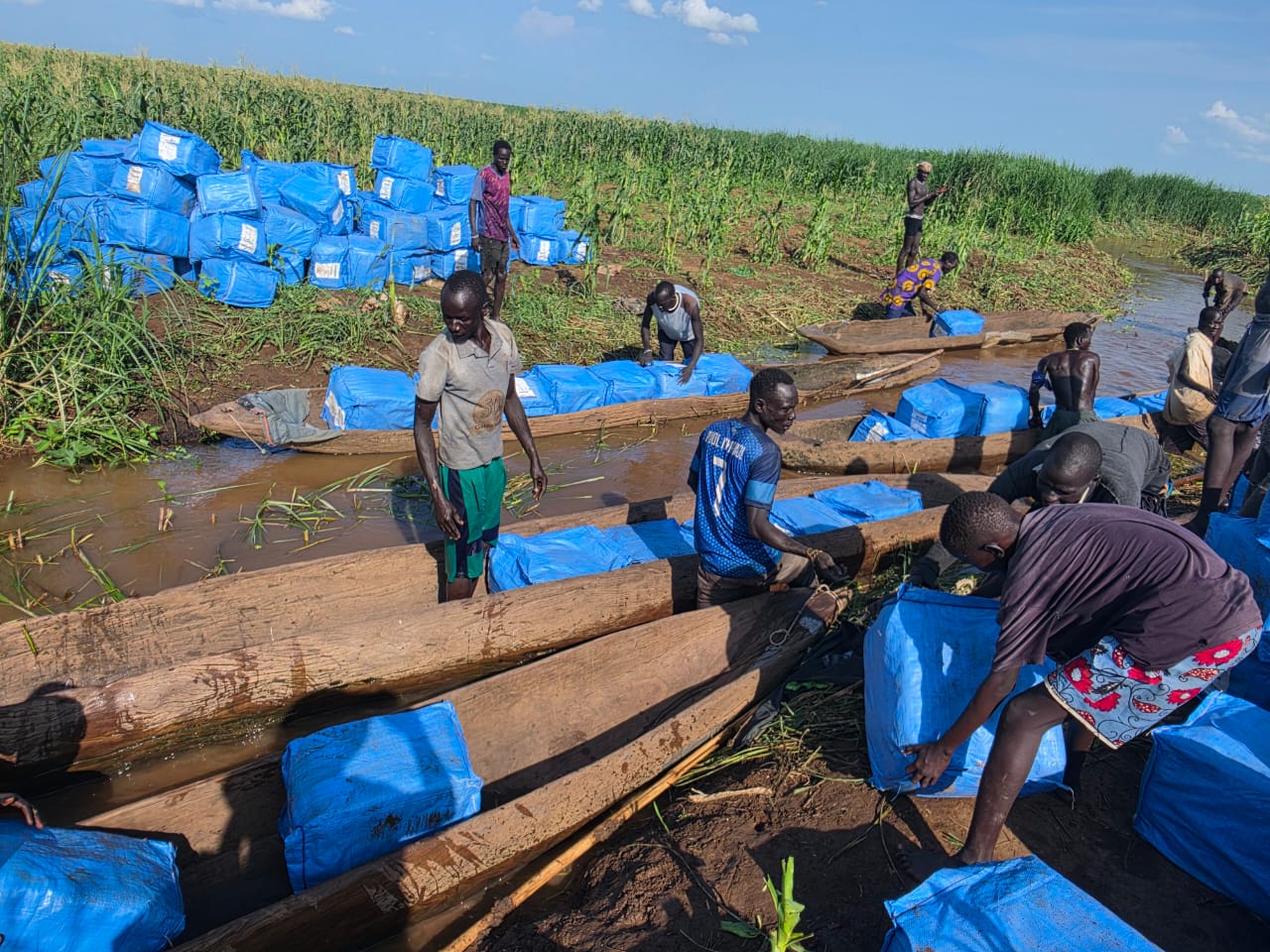
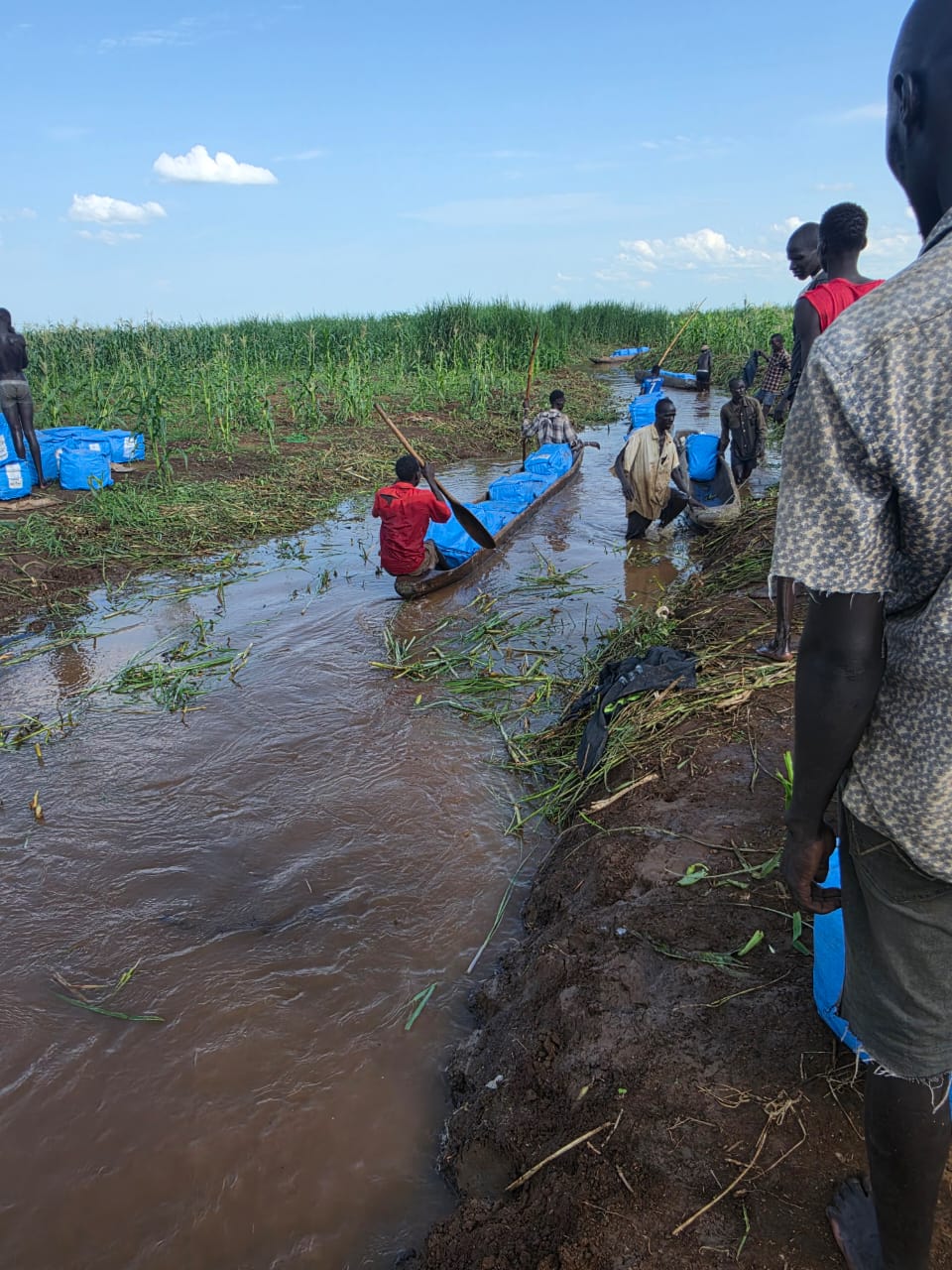
None of it is glamorous. Each is the difference between a household sleeping under a net tonight and a household waiting for a delivery that never quite arrives.
Going the extra mile so that hard-to-reach communities are not left behind.
Reaching the last mile
For ARDF teams, reaching a community is not only about moving nets from one point to another. It means understanding the local context, adapting the logistics to it, and being ready to take the difficult route when the easy one does not exist. In Uddier Payam that meant crossing streams, walking through deep water, and loading donkeys — practical answers that kept the distribution moving.
The 985,354 nets distributed so far are substantial progress against the target. The remaining 27% sit, for the most part, in exactly the kind of place Uddier is: further out, harder to reach, and no less entitled to protection from malaria than anywhere with a road.
Geographic isolation should not decide who gets protected. That principle is what the water crossing was for.